In Los Angeles, proper waste disposal isn’t just about keeping your home clean — it’s about protecting public health, preserving the environment, and supporting community-wide recycling efforts. Many residents unknowingly toss items into regular trash that are hazardous, recyclable, or specially regulated, causing environmental contamination, safety hazards, and potential fines.
This guide explains the top 10 items you should never throw in regular trash in Los Angeles, why they’re dangerous, and how to dispose of them safely.
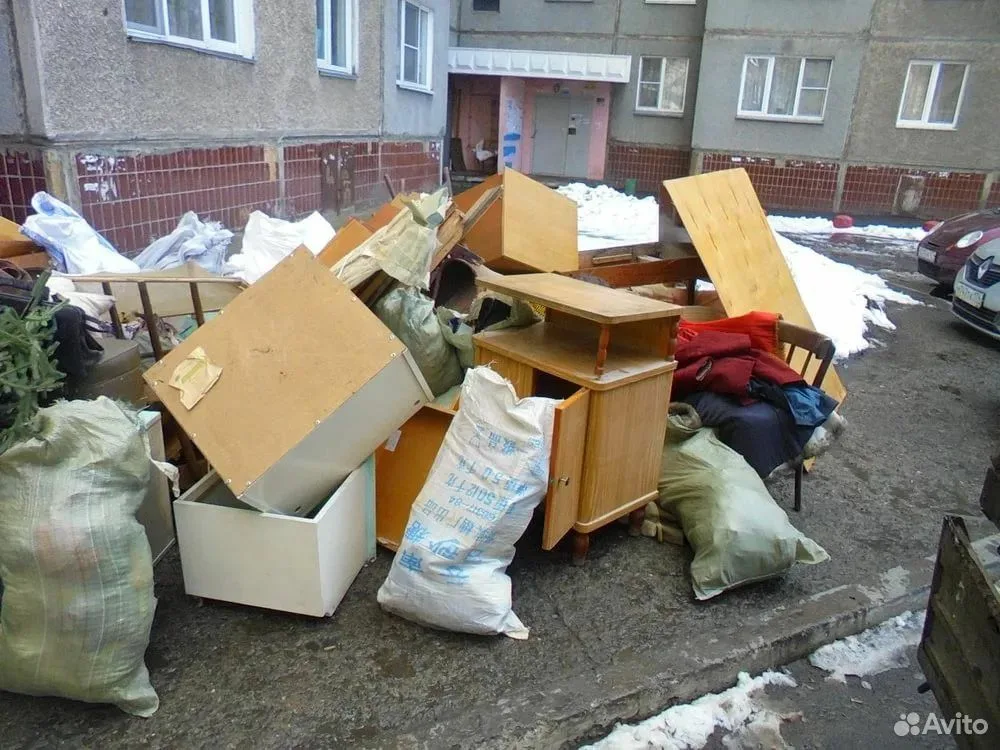
Why “Regular Trash” Isn’t Always Safe
Trash that goes into your garbage bin typically ends up in landfills or incinerators. Some items, however, are hazardous, toxic, or bulky, and throwing them away with regular trash can:
Contaminate soil and groundwater
Harm sanitation workers or wildlife
Cause fires or explosions
Violate local waste disposal regulations
Many items require special handling, such as recycling, hazardous-waste drop-off, or bulk pickup. This is where professional services like junk removal Los Angeles can make the process safe and hassle-free.
1. Electronics & E-Waste
Electronic devices — like old computers, TVs, phones, and printers — contain hazardous materials such as lead, mercury, and flame retardants. Improper disposal can contaminate the environment and expose sanitation workers to toxins.
Safe Disposal Options:
Take devices to designated e-waste collection centers.
Use retailer take-back programs when buying new electronics.
Donate functional devices to schools, charities, or community programs.
For a full-service solution, professional junk removal Los Angeles teams can safely handle e-waste collection and disposal.
2. Batteries
Batteries, including AA/AAA cells, lithium-ion batteries, and car batteries, contain corrosive chemicals and heavy metals. They can leak, catch fire, or explode if crushed in trash compactors.
Safe Disposal Options:
Store batteries in a safe container until proper drop-off.
Take them to designated battery recycling facilities.
Tape battery terminals to prevent short-circuiting during transport.
3. Paints, Solvents & Chemicals
Leftover paint, paint thinner, varnish, and household chemicals often contain toxic or flammable substances. Throwing them in regular trash or pouring them down drains can pollute soil and water.
Safe Disposal Options:
Drop off at hazardous waste collection centers.
Donate unused materials to community projects or schools.
Dry out water-based paints before disposal if local guidelines allow.
When cleaning areas where paint or chemicals have spilled, consider hiring a house cleaning Los Angeles service to ensure your home remains safe and spotless.
4. Light Bulbs (CFLs, Fluorescent, HID)
Certain light bulbs, such as CFLs and fluorescent tubes, contain mercury. If broken in a landfill, mercury can contaminate the environment and harm human and animal health.
Safe Disposal Options:
Keep bulbs in a sealed container until drop-off.
Take them to hazardous waste or recycling centers that accept mercury-containing lamps.
5. Used Motor Oil & Automotive Fluids
Motor oil, brake fluid, antifreeze, and other automotive fluids are toxic and flammable. Improper disposal can damage the water system and soil.
Safe Disposal Options:
Store in labeled, sealed containers.
Drop off at designated automotive recycling centers or hazardous waste facilities.
Never pour oil or fluids down drains, toilets, or garbage bins.
6. Pharmaceuticals & Sharps
Expired or unused medications can contaminate water supplies and pose risks if accessed by children or pets. Sharps (needles, lancets) are a serious injury hazard to sanitation workers.
Safe Disposal Options:
Use approved sharps containers for needles and syringes.
Drop off unused medications at authorized collection events or centers.
Never flush medications down the toilet unless explicitly instructed.
7. Tires
Used tires are bulky, non-biodegradable, and can trap water, creating mosquito breeding grounds. Burning tires or dumping them improperly releases toxic chemicals into the environment.
Safe Disposal Options:
Take tires to tire recycling centers or retailers that accept old tires.
Recycled tires can be reused for playground surfaces, asphalt, or fuel.
Never put tires in regular trash.
8. Large Appliances & White Goods
Appliances like refrigerators, ovens, washers, and dryers often contain refrigerants, heavy metals, and other harmful substances. Throwing them away can damage the environment and pose risks to workers.
Safe Disposal Options:
Schedule bulk-item pickup for large appliances.
Ask retailers to take back old appliances when delivering new ones.
Consider recycling scrap metal from appliances at specialized facilities.
Professional junk removal Los Angeles services can also handle bulky appliance removal safely and efficiently.
9. Household Hazardous Waste
Household hazardous waste includes cleaning chemicals, pesticides, pool chemicals, and aerosol cans. These items are corrosive, flammable, or toxic.
Safe Disposal Options:
Store in original, labeled containers.
Drop off at hazardous waste collection centers.
Reduce purchase of hazardous chemicals by choosing safer alternatives.
If spills or residues remain, a house cleaning Los Angeles service can help remove chemical traces safely.
10. Mattresses, Box Springs, & Large Furniture
Bulky items like mattresses, box springs, and furniture take up excessive landfill space and can damage trash-handling equipment.
Safe Disposal Options:
Schedule bulk-item pickup.
Donate usable items to charities or shelters.
Recycle materials like metal, wood, and fabric through specialized recycling programs.
When deep cleaning or preparing for furniture disposal, carpet cleaning Los Angeles services can complement the cleanup process to ensure a fresh, clean home.
Bonus Tips for Responsible Waste Disposal
Separate Waste Properly – Sort recyclables, organics, hazardous items, and trash.
Use Drop-off Centers & Scheduled Pickups – Avoid mixing hazardous or bulky items with regular trash.
Buy Less Hazardous Products – Choose eco-friendly cleaning supplies and chemicals.
Store Items Safely – Keep hazardous materials sealed and away from heat.
Respect Collection Rules – Follow limits for bulk pickup and hazardous waste drop-off.
Why Responsible Waste Disposal Matters
Protects the Environment: Reduces soil, water, and air contamination.
Ensures Safety: Prevents injuries to sanitation workers and residents.
Supports Recycling: Many items contain metals and materials that can be reused.
Avoids Fines: Disposing prohibited items in regular trash can result in penalties.
Improves Community Health: Reduces pollution and makes neighborhoods cleaner and safer.
Conclusion
Managing waste responsibly in Los Angeles isn’t just about compliance — it’s about protecting your home, community, and the environment. Electronics, batteries, paints, chemicals, tires, and bulky furniture all require special handling.
Using professional services like junk removal Los Angeles, house cleaning Los Angeles, and carpet cleaning Los Angeles ensures that hazardous, bulky, and hard-to-clean items are managed safely, efficiently, and responsibly.
By separating hazardous items, scheduling pickups, and keeping your home clean, you contribute to a smarter, cleaner, and more sustainable Los Angeles.